
0
01
02
03
04
Step 1
Step 2
Step 3
Step 4


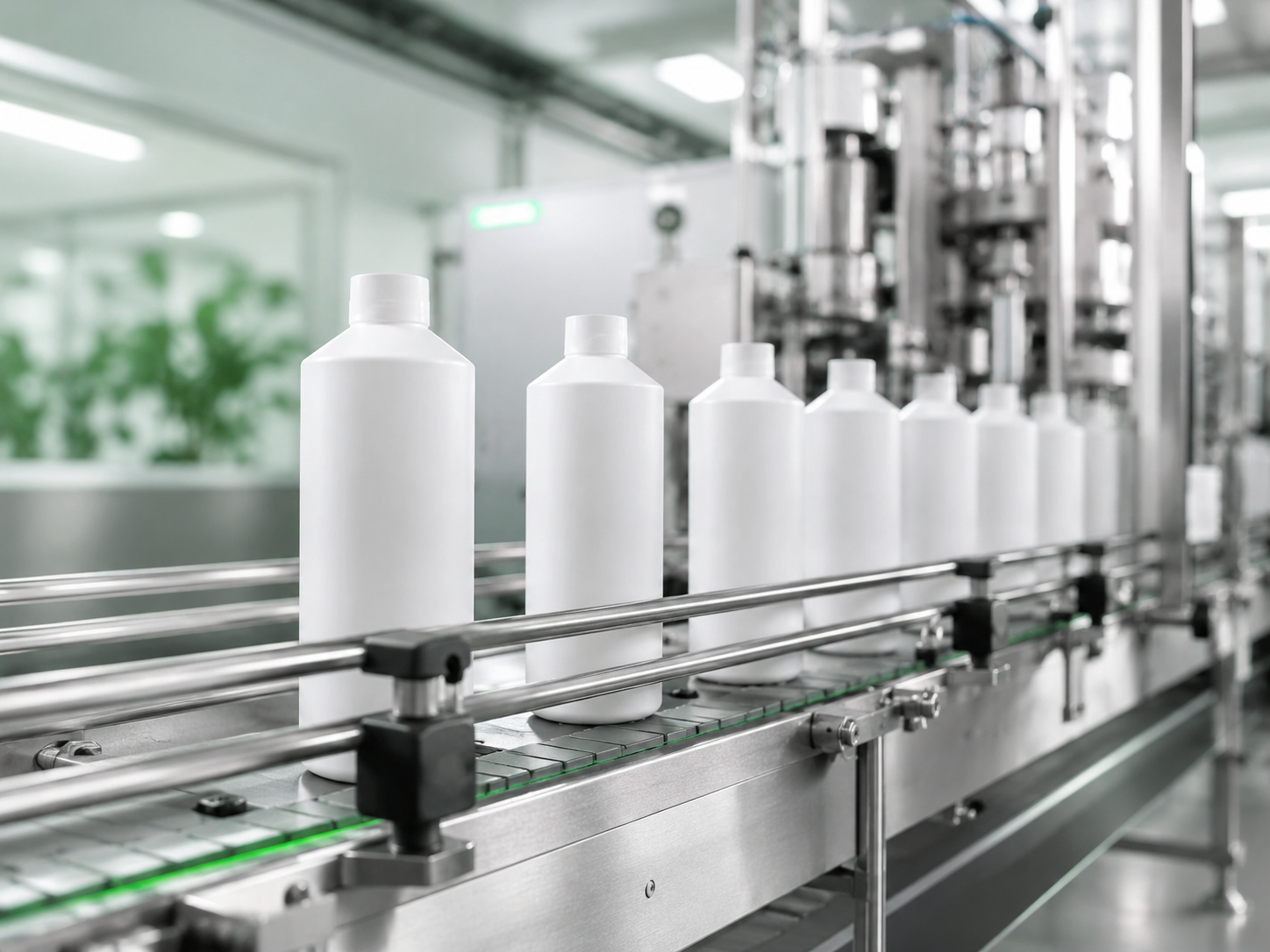

From Nature to the Finished Cleaning Product
01
Step 1
Microbial Technology
02
Step 2
03
Step 3
04
Step 4


Biomimicry means understanding principles that work in nature and making them applicable to technology.
Many technological innovations follow this very idea: Birds have shaped our understanding of aerodynamics. Geckos demonstrate how strong adhesion is possible without conventional adhesives. Lotus leaves show how surfaces can repel water and dirt.
EUMICS applies this concept to cleaning.
Nature itself provides a powerful model for cleanliness: microorganisms. They break down organic matter, work autonomously, and have been part of Earth's natural cycles for millions of years.
This is precisely the principle we harness for modern cleaning systems.
Organic residues are a common cause of unpleasant odors and stubborn contamination. They are not always visible on the surface but can also remain trapped in joints, textiles, porous materials, or hard-to-reach areas.
This is exactly where microbiological cleaning comes into play. Selected microorganisms can use organic residues as a source of nutrients and gradually break them down. This approach addresses not only visible dirt but also the underlying causes of many odor problems.
For EUMICS, microorganisms therefore represent a central technological approach to modern cleaning. They work actively, reach residues embedded deeper within materials, and enable cleaning to be developed and managed as a systematic process.
Under suitable conditions, microorganisms can remain active and multiply wherever organic residues are present. This allows their cleaning action to continue beyond the initial cleaning process.
Odor sources and organic residues are often found beneath the surface. Microorganisms can also reach hard-to-access areas and continue working where conventional cleaning methods quickly reach their limits.
Microbiological cleaning does not rely on a single ingredient. What matters is the interaction between microorganisms, formulation, application, stability, and production. Together, these elements create a reliable cleaning system.
The focus is not on temporarily masking odors. Instead, the goal is to specifically break down organic residues and thereby reduce the underlying causes of unpleasant odors.
EUMICS uses specially selected microorganisms classified as Risk Group 1 bacteria. These microorganisms support the breakdown of organic residues, harnessing targeted microbiological processes for effective cleaning.
Expert product advice & concepts.
b2b@profichemie.deAvailable Mon–Fri, 8:00 a.m.–4:00 p.m.
+4970629388110Visit our EU production center.
Renntalstraße 8/1, 74360 Ilsfeld